Why students look at Canada.

The questions families ask when they consider Canada, and where each answer is published. Rules change, so confirm every detail on the official page before you decide.

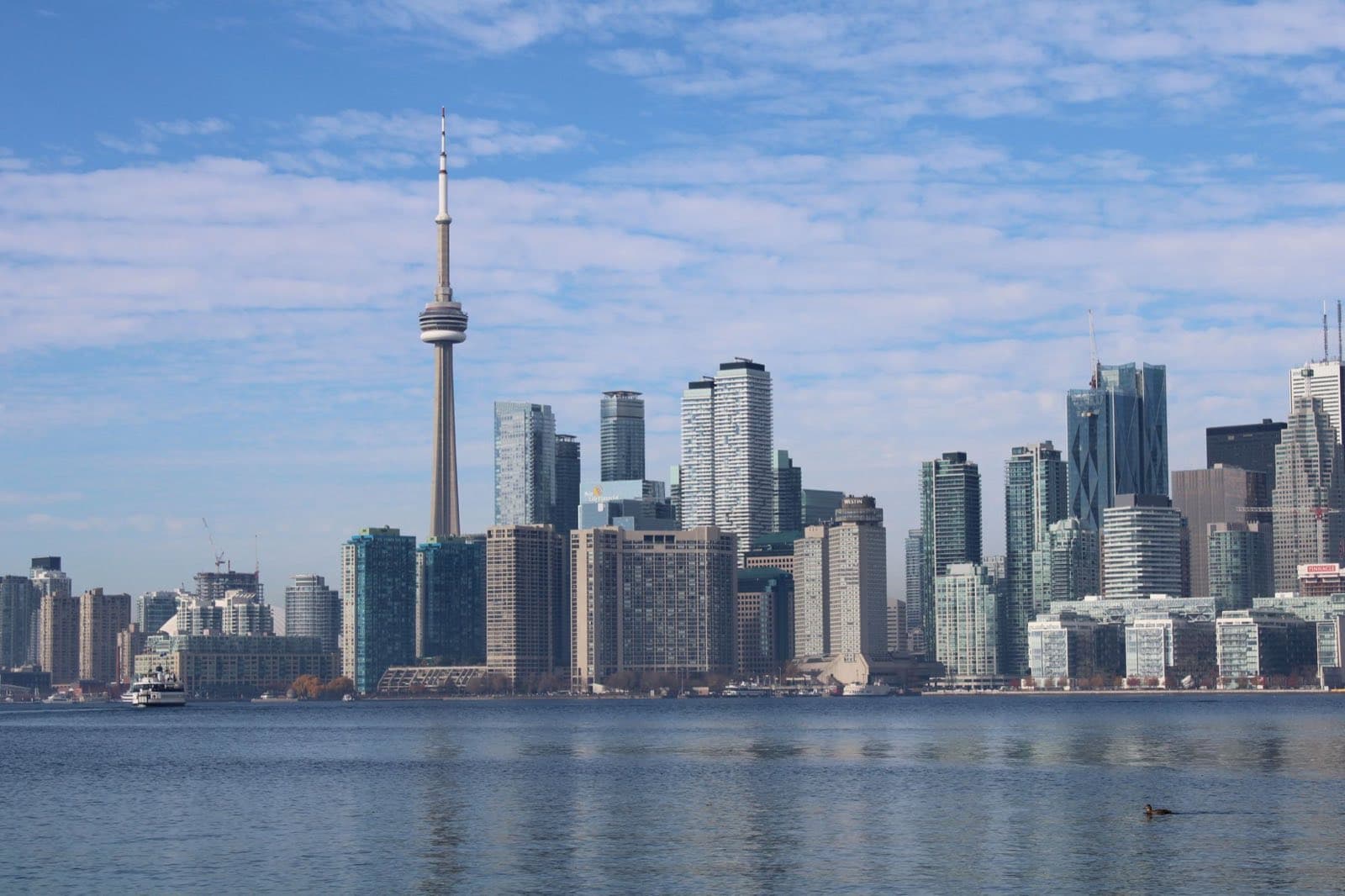
Toronto skyline with the CN Tower and downtown towers seen across blue lake water under a partly cloudy sky

Six questions worth asking

Each has a plain answer, things to check, and the official page that holds the current rule.

Official study pages at canada.ca (opens in a new tab)
Can I work while I study?

For most families this is the question behind the budget. The Government of Canada sets the work rules, updates them from time to time, and ties them to your permit and your program. They are not the same for every student.

So plan your first year as if part-time income is not there. If the rules allow work and you find it, that is a bonus. It should not be the money that pays tuition or rent.

What to check: Does your permit allow off-campus work?; Does your program include a work term?; What are the hour limits today?; Has the rule changed since last year?.

What will it cost?

Two programs with the same name can be priced very differently, and a smaller city can cost less to live in than a large one. Tuition is one line. Rent, food, transit, books and health cover are the others.

What to check: Full fee schedule, not only tuition; What is billed each term; Health cover cost; Monthly rent near campus.

What happens after graduation?

Whether a graduate can apply for a post-graduation work permit depends on the program, the school and the rules at the time. Check this before you choose a program, not after you have paid a deposit.

What to check: Ask the college in writing; Is the program one the rules cover today?; How long is the program?.

How does the study permit work?

A study permit is an application you make to the Government of Canada. We do not complete it for you. Regulated immigration help comes only from a licensed RCIC whom you retain directly.

What to check: Start on the IRCC page; Ask an RCIC if you want help with the application.

Which province and city suits me?

Programs, costs, climate and student aid differ across Canada. Start with the province, then compare the cities and campuses inside it. Think about where family could visit, or where you already know someone.

What to check: Housing; Transit; Distance from campus to city centre; Winter.

How do I compare Canada with other countries?

Use each government's own pages for study costs, work rules and permits, and compare like with like. We advise on Canada only, so we cannot rank one country over another.

What to check: Same five questions for every country; Official pages only.

What happens, in order

Four steps. Two are with us, one belongs to the college and one belongs to you.

  1. Step 1

    Talk to us

    We start with what you want to study, your budget and where you would like to live. Parents are welcome. Nothing to prepare, and no fee.

  2. Step 2

    Choose a program together

    We compare programs, campuses and cities with you and build a short list. You decide which one to pursue.

  3. Step 3

    The college decides

    We prepare and submit your college application with your approval, and the college decides whether to admit you. It then issues a letter of acceptance if it does. We cannot predict or influence that decision.

  4. Step 4

    You apply for the permit through IRCC

    The study permit is your application to the Government of Canada. Read the IRCC page, then decide whether to apply alone or retain a licensed RCIC. We take no part in it.

Three cities, three different lives

Canada is not one place. Where you live shapes your costs, your commute and how you spend your first winter.

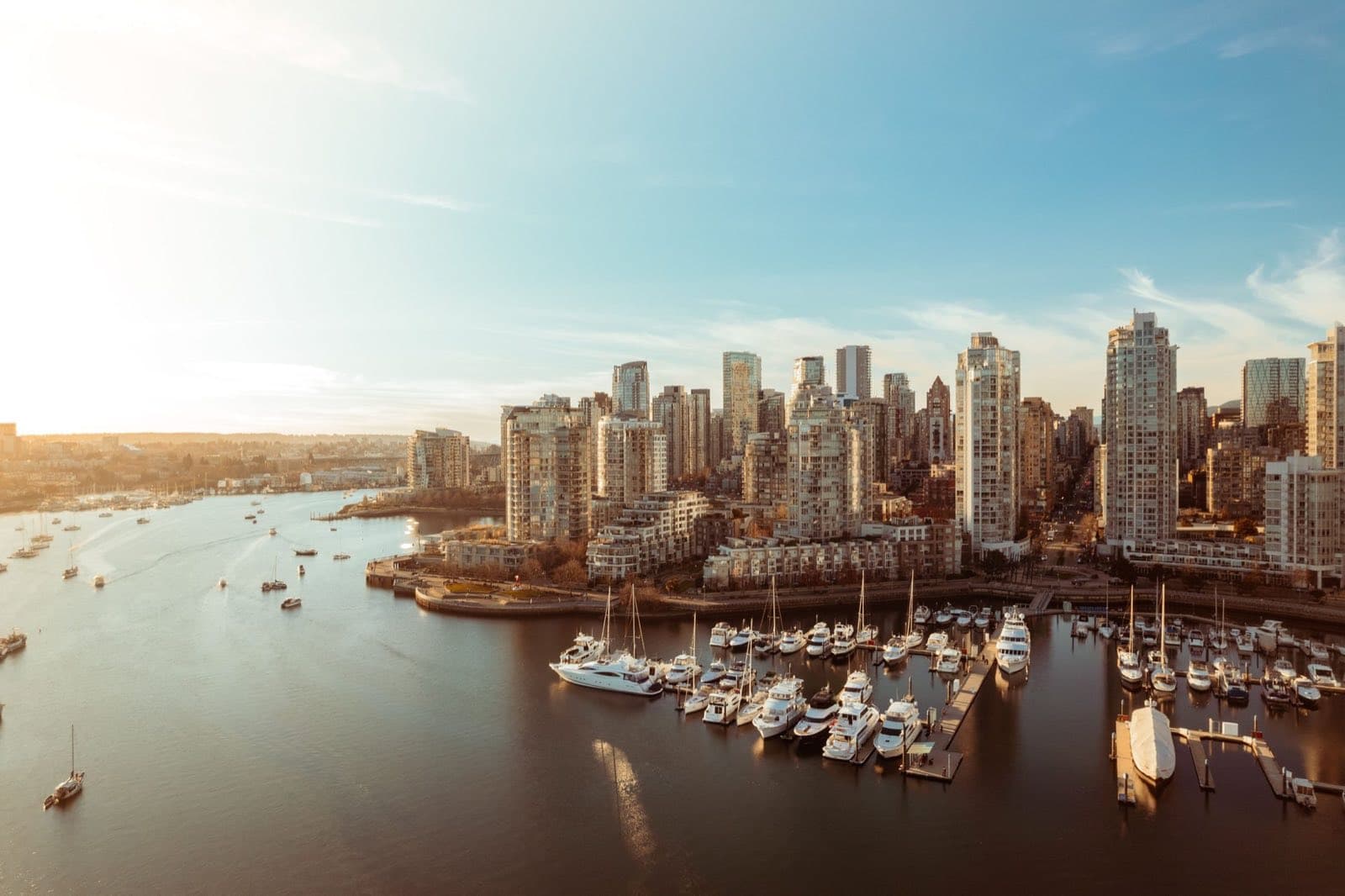
Aerial view of downtown Vancouver towers beside a harbour full of moored sailboats in warm late-afternoon light

Vancouver and the BC coast

Coastal, with mountains close by. Rental housing is a common worry, so ask what the college offers.
Toronto skyline with the CN Tower and downtown towers seen across blue lake water under a partly cloudy sky

Toronto and the Greater Toronto Area

Many colleges within reach. Housing and transit costs vary between downtown and the suburbs, so ask where each campus sits.
Downtown Winnipeg office towers rising behind trees and an open paved plaza at sunset under a clear blue sky

Winnipeg and the Prairies

A smaller, calmer city with cold winters. Ask about program options and student aid.

Plan for four seasons

Many students arrive from warm places and meet their first winter in the middle of a term. Ask the college where students usually live, how they reach campus and what orientation it runs. A good answer is specific: a street, a bus line, a person to call.

Ask about housing early

Rooms near campus go first. Ask what help the college gives before you pay anything.

Ask the same five questions of every country

Write these five rows for each country you are considering, then fill each cell from that government's own pages. The answers decide, not the brochure.

Open the comparison table
Five questions to ask of every study destination
Ask thisCanadaA country you are consideringAnother country
CostTuition and fees from the college. Living costs from the city. Add them yourself.Tuition and fees from the school. Living costs from the city.Same, from that school and city.
Work rulesRead the IRCC page for your permit and program.Read that government's student work page.Same, from its own government page.
Staying after studyRead the IRCC graduate work page. It depends on the program and the rules at the time.Read that government's graduate page. Do not rely on an agent's summary.Same, from its own government page.
Health coverRules differ by province. Ask the college what cover it requires and what it costs.Ask the school and the official health page.Same.
SupportAsk about orientation, housing help and a named person to call.Ask the same, and ask for a named person.Same.

We advise on Canada only. This table is a way to organise your own research, not a ranking.

Questions to ask a college

Take this list to every call or visit. A good answer is specific and comes in writing.

  1. Is this program approved for international students, and how can I check?
  2. What is the total fee for the first year, including fees outside tuition?
  3. What housing help and orientation do you offer?
  4. Does the program include work terms, and what would I need for them?
  5. Which start dates does this program have?

Start dates and the lead time

Colleges set their own start dates. Documents take longer than people expect, so work back from the month you want to start.

Show the calendar
Twelve-month ring. Examples of months a college may start a program. Each college sets its own intakes, so ask the college. Highlighted months: January, May, September. Intakes vary by college and program; confirm with the college.JanFebMarAprMayJunJulAugSepOctNovDecExamplestart months
  • Januaryexample month
  • Mayexample month
  • Septemberexample month

Examples of months a college may start a program. Each college sets its own intakes, so ask the college. Intakes vary by college and program; confirm with the college.

Words you will see

College and government pages use these terms. Here is what each one means for you.

Study permit

The document from the Government of Canada that lets you study here. You apply for it yourself, or retain a licensed RCIC.

Letter of acceptance

A letter from the college saying it has admitted you. The college decides this, not us.

Designated learning institution

A school approved by a province or territory to host international students. Ask the college to confirm.

Post-graduation work permit

A permit some graduates can apply for. It depends on the program and the current rules.

Co-op

Paid work terms built into some programs. Ask the college what permits, if any, you would need.

RCIC

A Regulated Canadian Immigration Consultant, licensed to give immigration advice. We are not RCICs.

Credentials, from shortest to longest
Education ladder from first to last: Certificate. A shorter program built around one set of skills. Diploma. A college program that mixes theory with hands-on practice. Advanced diploma. A longer college program that goes deeper into one field. Degree. A bachelor's program offered by universities and some colleges. Postgraduate certificate. A short program taken once you already hold a credential. Length and entry requirements vary by college and program.

Where to go next

Links marked IRCC go to canada.ca, the Government of Canada. Study Master Canada is not affiliated with any government and cannot confirm your eligibility for anything.

Talk it through with a counsellor

A free first conversation about programs, costs and next steps. Every application stays yours.

Book free counselling

Mon–Fri, 9:30am–6:30pm ET. Walk-in office: Unit 1805, 83 Kennedy Road South, Brampton, ON L6W 3N7.

Enquire